Custom door manufacturing transforms your vision into a timeless piece of craftsmanship through a meticulous process that combines traditional joinery, skilled hand craftsmanship, and carefully selected premium timber. Understanding this journey—from the initial consultation to the finished installation—helps you appreciate the expertise, precision, and attention to detail invested in every door we create.
At Vintage Joinery Co. our years of experience crafting bespoke timber doors and architectural joinery have refined a process that delivers exceptional quality while allowing every project to be tailored to each client's vision. Whether your design features clean, contemporary lines or intricate hand-carved detailing, every piece is built with care, precision, and a commitment to lasting craftsmanship. We believe in complete transparency throughout the process, so you understand exactly what goes into creating a truly bespoke timber door.
Phase 1: Design Consultation and Specification
Every custom door begins with understanding your requirements:
Initial Consultation
- Discussing vision: What style, function, and aesthetic do you want? Contemporary or traditional? Simple elegance or elaborate detail? This conversation establishes design direction.
- Assessing constraints: Opening dimensions, structural considerations, architectural style, budget parameters, timeline requirements—all affect design possibilities.
- Material selection: Wood species, core construction, finish preferences—fundamental decisions affecting appearance, performance, and cost.
- Hardware specifications: Lock systems, handles, hinges, and accessories integrated from design phase rather than afterthought.
On-Site Measurement
Accurate measurement is critical for custom work:
- Professional assessment: VJco’s technicians visit your property measuring openings precisely. Even 3-5mm errors create installation problems with custom doors.
- Structural evaluation: Assessing existing frames, wall conditions, and structural support requirements. Custom doors, particularly large or heavy units, may require reinforcement.
- Site challenges: Identifying access routes, installation obstacles, or conditions affecting manufacturing specifications or installation approach.
- Documentation: Photographs, measurements, and notes create comprehensive record guiding manufacturing.
Design Development
- Initial sketches: Hand drawings or computer renderings visualizing proposed design. This iterative process refines concept until you’re satisfied.
- CAD rendering: Once design direction is approved, detailed CAD (Computer-Aided Design) models show exactly how your door will appear. VJco provides these renderings before manufacturing begins—you see the result before committing.
- Technical drawings: Dimensioned drawings specify every detail—panel configurations, carved patterns, hardware placement, finish schedule. These guide manufacturing while documenting specifications for future reference.
- Material specifications: Finalizing wood species, core construction, glass types, hardware brands and finishes, staining/painting specifications.
- Quote approval: Detailed quotation breaking down costs. Custom work involves significant investment—transparency ensures no surprises.
Phase 2: Material Selection and Procurement
Quality begins with material sourcing:
Timber Selection
- Species characteristics: Different woods suit different applications. Meranti for stability and affordability, Ash, oak for strength and grain character, mahogany for workability and beauty—species selection affects appearance and performance.
- Moisture content: Wood must reach equilibrium moisture content for your climate before manufacturing. Rushing this causes dimensional problems after installation.
- Grade selection: Premium-grade timber for exposed areas, structural-grade for cores—appropriate material allocation balances cost and quality.
- Inspection: VJco’s material handlers inspect timber deliveries, rejecting substandard wood. This quality control at procurement prevents problems downstream.
Hardware and Components
- Verified suppliers: Quality hardware from established manufacturers. Cheap alternatives compromise security and longevity.
- Glass installation (when specified): Glazing is typically completed on site after the doors have been installed. This reduces the risk of damage during transport and handling while ensuring the glass is fitted securely using appropriate glazing methods and weather-resistant sealing.
- Finishing materials: Primers, stains, topcoats selected for performance in your climate and application.
Phase 3: Manufacturing and Fabrication
Where design becomes physical reality:
Core Construction
- Built for lasting stability: Every door begins with carefully selected, well-seasoned timber chosen for its strength, stability, and character. Traditional joinery techniques, proper timber orientation, and meticulous craftsmanship work together to minimise movement and ensure a door that performs beautifully for years to come when properly maintained.
- Weight optimisation: Every door is engineered to provide the strength required without unnecessary weight, ensuring smooth operation while reducing stress on hinges, pivots, and other hardware.
- Hand shaping and detailing: Profiles, mouldings, edges, and architectural details are carefully shaped and refined by hand, giving every door the crisp lines and refined finish expected of bespoke craftsmanship.
Hand Carving (When specified)
- Master craftsmanship: Each carving is meticulously shaped by hand using traditional carving tools, allowing every detail to be refined with the skill and judgment of an experienced craftsman.
- Three-dimensional relief: Every design is carved to create genuine dimensional depth—not simply a surface texture, but authentic three-dimensional relief that brings character and elegance to the timber.
- Artistic flexibility: From subtle decorative details to bold sculptural features, hand carving allows for a wide range of bespoke designs, with each piece individually crafted to suit the project.
- Refined finishing: Once carving is complete, every surface is carefully hand-finished to sharpen details, smooth transitions, and prepare the timber for its final finish.
Assembly and Joinery
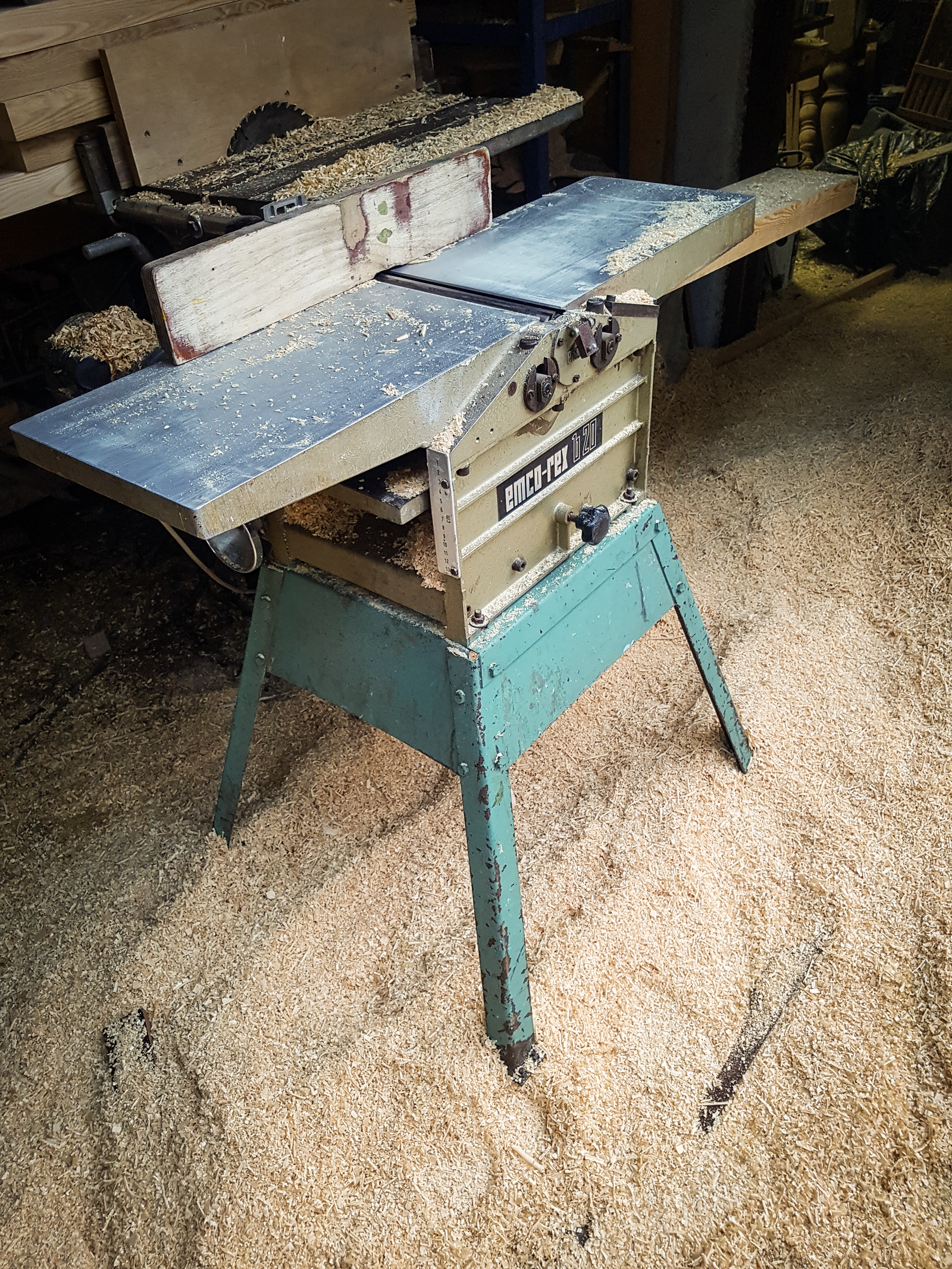
- Traditional techniques meet modern precision: Mortise-and-tenon joints, doweling, and adhesive bonding create strong, durable assemblies. Machine cutting ensures precise joint fits.
- Hardware installation: Mortising for locks, hinge preparation, handle mounting—all completed during assembly ensuring proper alignment and function.
- Glazing preparation: Where a design includes glass panels, the door is carefully manufactured with precisely machined glazing rebates and mouldings, ready for installation by a qualified glazier. This ensures an accurate fit while allowing the glazing to be completed safely and professionally.
- Quality inspection: Each completed door undergoes inspection before finishing—checking dimensions, joint integrity, hardware operation, and overall quality.
Phase 4: Finishing Application
Where appearance and protection converge:
Surface Preparation
- Sanding progression: Progressive sanding from coarse to fine grits creates perfectly smooth surfaces. Hand-sanding detailed areas inaccessible to mechanical sanders.
- Cleaning: Removing all dust and contaminants. Any particle trapped under finish creates defects.
- Moisture testing: Verifying wood moisture content before finishing prevents future problems.
Finishing System Application
Unlike traditional film-forming Varnishes or spray finishes, which sit on the surface of the timber, penetrating oils soak into the wood and enhance its natural grain and character. This creates a rich, authentic finish that complements the beauty of solid timber.
- Stain application (when specified): A custom stain can be applied to enhance the timber's natural beauty or achieve a specific colour before the protective finish is applied.
- Penetrating oil finish: Rather than using thick film-forming coatings that can crack and peel over time, we prefer high-quality penetrating oil finishes. These nourish the timber while allowing it to breathe and move naturally with seasonal changes.
- Multiple protective coats: Several coats of exterior oil are applied to ensure even coverage, deep penetration, and long-lasting protection against moisture and the elements.
- UV protection: Exterior oils contain UV inhibitors that help reduce fading, weathering, and sun damage, preserving both the timber and its appearance.
- Simple long-term maintenance: One of the greatest advantages of an oil finish is its ease of maintenance. Instead of stripping and refinishing the entire door when the finish begins to weather, the surface can typically be cleaned, lightly abraded, and re-oiled to restore its protection and natural beauty. Under normal conditions, Osmo exterior oil finishes typically require maintenance every 3–5 years, although this may vary depending on the door's exposure to sunlight, rain, and other environmental conditions.
Quality Control
- Visual inspection: Every surface examined for finish quality, uniform appearance, and defect absence.
- Touch-up: Minor imperfections corrected before approval.
- Hardware function test: Locks, handles, and hinges tested ensuring smooth operation.
- Final approval: VJco’s quality control approves each door before delivery.
Phase 5: Delivery and Installation
Getting your custom door from factory to functioning in your home:
Logistics
- Protective packaging: Custom doors receive careful packaging preventing transport damage. Large doors may require specialized handling.
- Delivery coordination: Scheduling ensures someone present to receive delivery and installation proceeds smoothly.
- Access planning: Ensuring delivery vehicles access your property and doors fit through access routes to installation location.
Professional Installation
- Frame preparation: Existing frames may require modification, repair, or replacement. New construction frames must be square, plumb, and properly anchored.
- Shimming and alignment: Precise shimming ensures doors hang perfectly plumb and square. Misalignment causes operational problems and uneven gaps.
- Hardware adjustment: Fine-tuning locks, latches, and closers ensuring operation and proper security.
- Weatherproofing: Caulking, flashing, and threshold sealing protect against water infiltration.
- Final adjustment: Testing operation, adjusting as needed, ensuring everything functions perfectly.
Client Walkthrough
- Operation demonstration: Showing you how hardware functions, any special care requirements, warranty coverage.
- Maintenance guidance: Explaining care requirements maintaining your door’s appearance and performance.
- Documentation: Providing specifications, warranty information, and future reference materials.
Timeline Expectations
Custom door manufacturing requires time:
- Design phase: 1-2 weeks including consultation, measurement, CAD rendering, and approval.
- Material procurement: 1-2 weeks obtaining specific wood species, hardware, and components.
- Manufacturing: 2-4 weeks for typical custom doors. Complex carved doors may require 4-6 weeks.
- Finishing: 1-2 weeks including application and curing time.
- Total timeline: 8-10 weeks from order to installation for standard custom work. Complex projects may extend to 12-14 weeks.
- Rush orders: Sometimes possible with premium pricing but quality shouldn’t suffer for arbitrary deadlines.
Investment Understanding
Custom doors cost substantially more than standard products:
- Why the premium? Individual attention, skilled craftsmanship, material selection, engineering expertise, precision manufacturing, hand-finishing—all add value justifying higher costs.
- Price range: Custom wooden doors typically R40,000-R150,000+ depending on size, complexity, materials, and hardware specifications.
- Value delivered: Unique designs impossible finding elsewhere, perfect architectural integration, heirloom quality lasting generations, enhanced property value.
Frequently Asked Questions
Can I see my door before final installation?
Yes. VJco. welcomes factory visits once your door completes finishing. Seeing your door allows approval before installation commitment.
What if I change my mind during manufacturing?
Early-stage changes (during design phase) accommodate easily. Once manufacturing begins, changes become expensive or impossible. This is why thorough design approval matters.
How long will my custom door last?
With proper maintenance, custom wooden doors perform 50-75+ years. Quality construction and finishes deliver genuine longevity.
Can you match existing doors in my home?
Usually yes. Bringing photographs and measurements of existing doors allows replication. Perfect matches require samples of existing wood and finish for colour matching.
Begin your custom door project
If you're considering a bespoke timber door or custom joinery project, we'd love to hear from you. Contact Vintage Joinery Co. to discuss your ideas, request a quotation, or begin designing a piece that's uniquely yours.